
Next-Generation Heavy Construction Machinery: Mechanical Power, Hydraulics, and the Future of Earthmoving Equipment
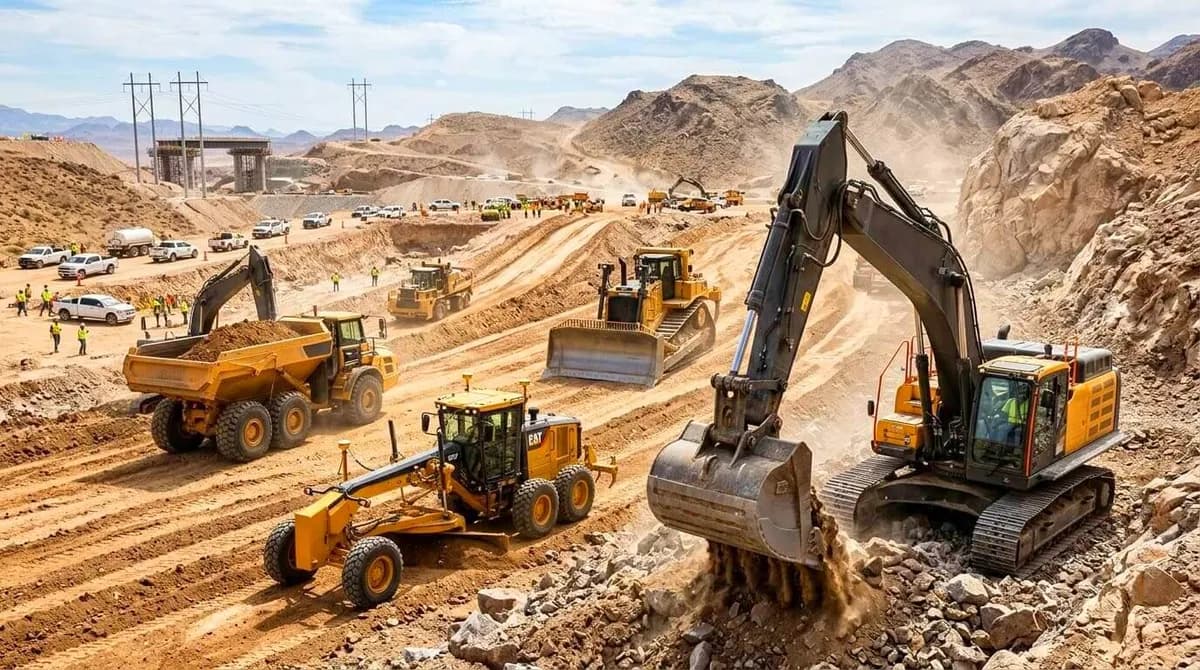
Discover the future of heavy construction machinery! Explore electro-hydraulic systems, electric excavators, hydrogen engines, advanced metallurgy, and 3D GPS grading.
Next-Generation Heavy Construction Machinery: Mechanical Power, Hydraulics, and the Future of Earthmoving Equipment
When you walk onto a modern job site, the sheer size and raw mechanical force of heavy machinery are unmissable. Heavy excavators, wheel loaders, motor graders, bulldozers, and off-highway dump trucks form the absolute backbone of civil infrastructure, urban development, and global mining. For decades, the formula for these massive iron beasts remained unchanged: a high-displacement diesel engine driving heavy-duty fluid hydraulics. However, the heavy construction sector is undergoing a massive technological revolution focused strictly on physical engineering, superior power delivery, advanced metallurgy, and precision mechanical efficiency.
Contractors, fleet operators, and equipment buyers no longer evaluate heavy iron solely on horsepower. Today, the focus has shifted toward total cost of ownership (TCO), fuel efficiency ratios, cycle times, structural longevity, and hydraulic responsiveness. In this detailed guide, we dive deep into the mechanical innovations and powertrain technologies transforming the heavy construction equipment industry.
1. High-Efficiency Electro-Hydraulic Systems: Replacing Fluid Resistance with Precision
Hydraulics serve as the muscular system of earthmoving equipment. Traditional hydraulic setups rely on complex mechanical valve blocks and continuous fluid circulation, which creates fluid friction, energy heat loss, and noticeable lag when an operator moves the control levers. Modern heavy equipment design is moving away from purely mechanical linkages toward advanced electro-hydraulic (EH) system architecture.
In an electro-hydraulic system, electronic controllers instantly adjust hydraulic pump displacement based on direct operator inputs and real-time load requirements. Instead of pumping fluid continuously at max pressure, the system utilizes variable-displacement axial piston pumps that deliver hydraulic oil strictly on demand.
Key Engineering Advantages:
- Drastic Reduction in Fuel Consumption: By eliminating parasitic hydraulic drag when the machine is idling or performing light work, fuel burn drops by 15% to 22% compared to legacy fluid systems.
- Millimeter Precision and Zero Response Lag: Joysticks transmit electrical signals directly to electro-proportional valves, giving excavator operators pinpoint bucket control during fine grading or deep pipe trenching.
- Lower Fluid Operating Temperatures: Reduced hydraulic friction means oil stays cooler, preserving seal integrity, extending hose lifespans, and lengthening hydraulic oil change intervals.
To learn more about modern fluid power standards and hydraulic system design, explore technical resources provided by the National Fluid Power Association (NFPA).
2. High-Capacity Battery Electric Powertrains for Industrial Iron
While small compact excavators have offered battery options for a few years, heavy-duty production machinery—ranging from 20-ton excavators to massive wheel loaders—is rapidly adopting high-voltage lithium-ion and solid-state battery technology. Switching heavy equipment from internal combustion engines (ICE) to full-electric drive trains transforms the fundamental mechanics of the machine.

Electric motors deliver maximum torque immediately from zero RPM. When an electric wheel loader digs into a dense pile of shot rock or gravel, the motor does not need to rev up through an engine curve to achieve breakout force. The torque is instant, preventing tire spin and bucket stalling.
Operational Advantages on Active Worksites:
- Zero Direct Tailpipe Emissions: Electric heavy equipment enables non-stop trenching and foundation work inside enclosed buildings, subterranean railway tunnels, and densely populated city centers without hazardous diesel fumes.
- Drastic Noise Reduction: Eliminating diesel engine chatter lowers site decibels significantly, enhancing safety by allowing ground workers to communicate clearly with equipment operators.
- Fewer Moving Parts: Without diesel particle filters (DPF), complex exhaust gas recirculation (EGR) valves, alternators, or engine oil filters, ongoing mechanical maintenance costs drop dramatically.
Industry leaders like Komatsu continue to pioneer zero-emission electric drive mining trucks and heavy earthmoving solutions designed for intense production cycles.
3. Hydrogen Fuel Cells and Clean Heavy-Duty Power Plants
Battery weight presents a physical challenge for heavy earthmoving equipment operating in extreme conditions—such as 50+ ton excavators, heavy-duty dozers, and off-highway haul trucks working 20 hours a day in remote quarries. Carrying a battery pack large enough to power a 50-ton machine for two full shifts adds excessive dead weight. The mechanical solution lies in Hydrogen Fuel Cell Systems and Hydrogen Internal Combustion Engines (H2-ICE).
Hydrogen power plants combine stored compressed hydrogen gas with atmospheric oxygen inside a fuel cell stack to generate high-voltage electricity, emitting only pure water vapor from the exhaust stack. Alternatively, direct-injection hydrogen engines burn hydrogen gas inside heavy-duty engine blocks, retaining traditional mechanical crank setups while running completely carbon-free.
| Power System | Primary Ideal Application | Refueling / Charging Time | Operational Strengths |
|---|---|---|---|
| Diesel Engine (Legacy) | Standard earthmoving & remote sites | 5 to 10 Minutes | Proven durability, universal fuel availability. |
| Battery Electric (BEV) | Urban construction, tunneling, compact to mid-size | 1 to 4 Hours (DC Fast Charge) | Zero emissions, instant torque, lowest sound level. |
| Hydrogen Fuel Cell / H2-ICE | Heavy mining, large excavators, continuous multi-shift | 10 to 15 Minutes | Zero/low emissions, high continuous uptime, low weight penalty. |
Global equipment manufacturers like Caterpillar are actively developing and testing hydrogen-ready power generation and heavy machinery solutions to power future job sites.
4. Advanced Metallurgy, Wear Tech, and Structural Engineering
A heavy machine is only as good as its structural integrity. The structural steel frame, boom arms, stick sections, and ground-engaging tools (GET) endure millions of stress cycles under heavy torsional loads. Next-generation equipment manufacturing leverages advanced alloy metallurgy and high-wear material treatments.
Key Structural Innovations:
- High-Tensile Composite Steel Alloys: Modern machine booms use lightened, high-strength steel fabrications. By reducing boom weight without sacrificing structural yield strength, machines can swing faster with larger bucket payloads.
- Tungsten Carbide and Hardened Wear Plates: Excavator bucket teeth, dozer corner bits, and motor grader blades now utilize thermal-spray tungsten carbide coatings and self-sharpening geometry. This extends the service life of wear components by up to three times in abrasive granite and rock conditions.
- Reinforced Heavy-Duty Pins and Bushings: Sealed and lubricated pin joints prevent dirt intrusion and abrasive wear, eliminating slop in the boom joints and keeping bucket movements tight over thousands of operating hours.
For detailed standards on heavy equipment safety and machinery design specifications, consult the International Organization for Standardization (ISO).
5. Integrated 3D GPS Machine Guidance and Automated Telematics
Modern earthmoving equipment achieves incredible operational precision through integrated 3D satellite positioning, grade control systems, and automated machine hydraulics. Operators no longer need to rely on manual wooden grade stakes or constant ground surveyor checks to verify trench depths or pad elevations.

How Machine Grade Control Works:
Dual GNSS (Global Navigation Satellite System) receivers mounted on the machine's body or blade measure exact real-time coordinates. The onboard computer compares the cutting edge of the bucket or blade against a digital 3D site design plan.
- Automated Hydraulics: When the operator pulls the boom lever, the machine automatically overrides the stick and bucket hydraulics to prevent digging lower than the planned grade line.
- Elimination of Over-Excavation: Digging to the precise millimeter specification on the first pass saves massive amounts of fuel, prevents bucket wear, and avoids wasting expensive fill materials like crushed gravel or concrete base.
- Real-Time Telematics: Off-site fleet managers receive live machine health metrics, tracking fuel burn rates, hydraulic pressures, engine load factors, and idle times directly from remote computer dashboards.
Choosing the Right Equipment for Your Construction Fleet
Upgrading your heavy machinery fleet requires evaluating job site demands, site infrastructure, and total operational costs. Whether you are adding a 30-ton hydraulic excavator, a high-capacity wheel loader, or a heavy motor grader to your operation, focusing on powertrain efficiency and robust mechanical engineering ensures long-term profitability.
Key Checklist Before Purchasing Heavy Machinery:
- Hydraulic System Flow Rate (L/min): Ensure the machine provides adequate auxiliary hydraulic flow and pressure to run specialized attachments like hydraulic breakers, shears, and tilt-rotators.
- Engine and Emissions Standards: Match powertrain requirements (Tier 4 Final, Stage V, or Electric/Hybrid) to local site regulations and fuel availability.
- Undercarriage & Wear Component Health: Inspect track chains, rollers, sprockets, and tires carefully to minimize early maintenance downtime.
- Resale and Equipment Liquidity: Choose well-established heavy equipment models that retain strong market value when it comes time to trade in or sell.